
Finding Vintage Thrifts That Are Worth Serious Money
Thrifting has evolved into an exciting quest where valuable garments hide within secondhand piles. The appeal lies in discovering vintage apparel that possesses historical significance and incredible resale value. From structural couture jackets to rare band tees, the pursuit of these closet treasures captivates both everyday fashion lovers and serious collectors.
Analyzing Fashion Eras
Understanding fashion history is essential for identifying valuable vintage garments in crowded racks. Each decade features distinct silhouettes, textile choices, and manufacturing methods that immediately reveal its era of origin. For example, clothing from the 1950s often features heavy metal zippers, pinked seams, and structured waistlines, whereas 1970s apparel is known for polyester blends and dramatic collars. Knowledgeable buyers learn to search for union labels and unique care tags, which serve as historical timestamps. By training your eye to spot these physical clues, you can easily differentiate between cheap modern reproductions and genuine, high-value vintage pieces.
Identifying Designer Labels
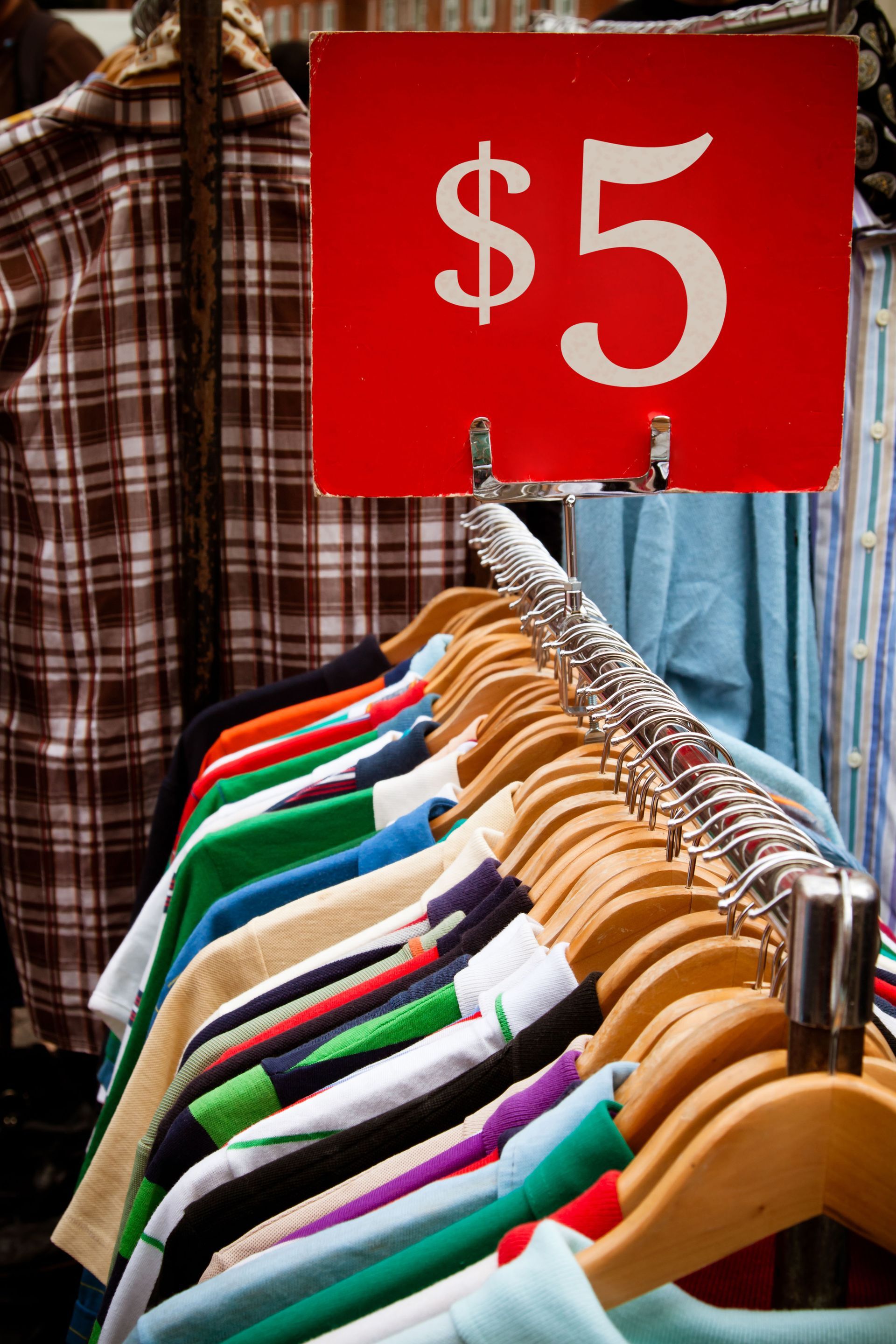
Recognizing iconic fashion houses drastically increases the likelihood of finding high-value luxury apparel. Labels from legendary creators like Dior, Chanel, or vintage Yves Saint Laurent remain highly sought after by modern fashion archivists and collectors. Often, donors who are clearing out closets fail to recognize the value of older designer pieces, leaving these luxury gems tucked away inside local thrift stores where they are priced for just a few dollars. Successful collectors always check the inner linings, collar tags, and hardware engravings for designer branding. Knowing which classic labels retain their value allows you to build a lucrative resale inventory with minimal upfront investment.
Evaluating Fabric Construction
Inspecting stitch work and garment construction is the most reliable way to verify the quality of vintage apparel. Older garments were built to last, featuring generous seam allowances, sturdy natural fibers like wool and silk, and hand-finished hems that modern fast-fashion brands rarely produce. According to Newsweek, the amount of clothes Americans put in the garbage every year has doubled over the last 20 years, from 7 million to 14 million tons. This massive volume of textile waste highlights the decline in modern garment durability. By prioritizing pieces with superior stitching and robust natural materials, you can secure timeless wardrobe items that retain their structural integrity for decades.
Spotting Band Tees
Familiarizing yourself with the nuances of graphic printing makes scouting casual t-shirts highly profitable for anyone combing through thrift stores. Authentic concert tees from the 1980s and 1990s are massive moneymakers, easily distinguished by a single-stitch hem on the sleeves and waistline rather than the modern double-stitch finish. Rock, hip-hop, and vintage movie promotional shirts feature unique artistic licensing marks printed in tiny text near the bottom of the graphic. Recognizing these subtle indicators allows you to pluck a three-figure streetwear grail directly from a rack of generic corporate giveaway shirts.
Assessing Leather Quality
Examining the physical hide, lining, and heavy zipper hardware of leather jackets ensures a secure investment before purchasing. Genuine vintage motorcycle jackets and bomber coats display a heavy weight, natural grain variations, and a rich patina that indicates real animal hide rather than synthetic polyurethane. Avoid jackets with cracked, peeling collars or severe dry rot, as these material failures are permanent and cannot be conditioned out. Conversely, a dusty but structurally sound leather jacket can be completely revitalized with professional leather balm, instantly restoring its deep luster and market value.
Testing Luxury Knitwear
Appreciating the fine tactile differences between synthetic acrylics and premium natural knits provides a distinct advantage when sourcing sweaters. Pure cashmere, mohair, alpaca, and merino wool garments carry immense upscale appeal and high resale margins. Because high-end knitwear requires specialized care, previous owners often accidentally shrink them or donate them out of frustration, meaning you can score premium luxury textiles for pennies. Learning to read fabric composition labels allows you to bypass cheap, itchy synthetics and target rare, ultra-soft luxury fibers that stay in style permanently.
Targeting Sportswear Grails
Identifying specific eras of athletic apparel allows style hunters to spot rare streetwear pieces effortlessly. Certain restricted production runs of 1990s windbreakers, spell-out sweatshirts, and champion-level jerseys command premium prices today due to retro trends. Spotting these valuable gems requires detailed brand awareness when sifting through the activewear sections at thrift stores. For example, finding an original silver-tag Nike hoodie or an embroidered Adidas collegiate sweatshirt can result in a massive return on investment. Always research chest embroidery and collar tag designs, as minor logo variations dictate the item's historical rarity.
Checking Outerwear Finishes
Evaluating the condition of technical details determines the ultimate worth of vintage outerwear and utility jackets. Premium outdoor brands like Patagonia, Arc'teryx, and vintage The North Face utilize high-performance materials that collectors eagerly buy up. Before purchasing, check the internal seam taping for peeling, test all pull-cord toggles, and ensure the main zippers slide smoothly. If a high-end technical shell simply lacks its waterproof coating, you can easily restore its performance at home with a specialized wash-in treatment, instantly doubling or tripling its secondary market value.
Sourcing Military Surpluses
Seeking out authentic military surplus garments can uncover rugged, highly collectible utilitarian style hidden within the inventories found at regional thrift stores. While commercial replicas are incredibly common, genuine issue field jackets, cargo trousers, and wool pea coats command the highest premiums among vintage purists. These original pieces feature sterile, government-issued spec tags detailing contract numbers and rugged canvas materials designed for extreme field durability. Taking the time to research military stamp codes on your phone while browsing can lead to incredible, historical fashion discoveries.
Testing Precious Fasteners
Testing component materials helps buyers identify high-value details mixed in with basic everyday apparel. Genuine vintage garments often feature luxury fasteners, such as real mother-of-pearl buttons, solid brass snaps, or authentic horn closures. Developing an eye for these premium hardware components transforms anonymous clothing pieces sourced from everyday thrift stores into incredible historical finds. Carrying a small magnifying loop helps you closely examine buttons for the natural, iridescent layers of real shell, confirming that the garment was produced during an era of uncompromising craftsmanship.
Verifying Tailoring Marks
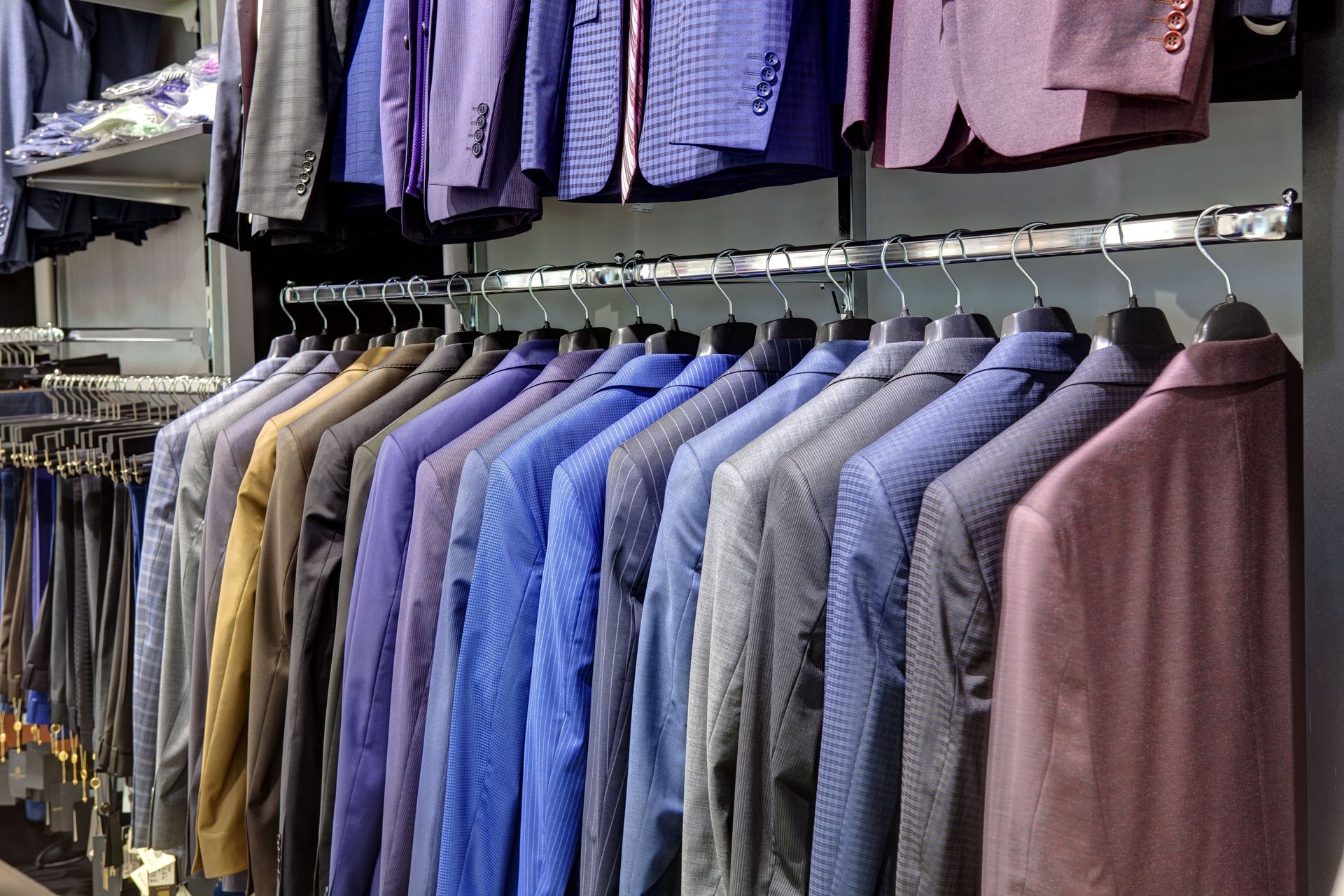
Locating custom tailoring labels and hidden sizing stamps confirms the upscale heritage of formal menswear and suiting. Renowned bespoke tailoring houses and classic luxury brands place discrete interior tags inside breast pockets or along waistband linings. Finding a verified custom tailor mark not only guarantees that the garment was built with meticulous bench-made care but also signals high-grade structural canvas construction inside the chest piece.
Following Streetwear Trends
Tracking major subculture movements simplifies the process of uncovering rare graphic apparel inside thrift stores. Recognizing the core elements of early skateboarding culture, retro hip-hop style, or vintage workwear aesthetics helps buyers spot valuable items that others might dismiss as simple old work clothes. Look closely at the wear on graphic prints to determine if it is a modern reprint or a genuine vintage screen-print with natural cracking. Understanding which specific subculture aesthetics are currently trending in street fashion allows you to source clothing items that will flip quickly.
Embracing the secondhand market offers an exceptional path toward sustainable consumption and substantial financial reward. Developing an eye for quality across diverse clothing categories transforms casual weekend browsing into a highly lucrative skill. Whether you are looking to curate a unique personal wardrobe, furnish your closet with durable historic textiles, or build a profitable online resale business, the opportunities are boundless. To begin uncovering your next high-value secondhand treasure today, plan your next shopping trip to Daisy Exchange.

Share On: