How to Find Quality Pieces When You Buy Used Clothing
Choosing to buy used clothing is about much more than saving money. It is an opportunity to build a wardrobe filled with unique finds, timeless styles, and well-made pieces while reducing waste. Whether you're browsing a local resale shop, thrift store, or consignment boutique, knowing what to look for can make the experience more enjoyable and rewarding.
The growing popularity of secondhand fashion has made quality pieces easier to find than ever before. However, not every item on the rack is worth bringing home. Learning how to evaluate fabrics, construction, fit, and overall condition helps you make confident purchases that you'll enjoy wearing for years. With a little patience and the right approach, you can buy used clothing that looks great, fits your style, and offers outstanding value.
Examining the Fabric Carefully
One of the first things to check when you buy used clothing is the fabric itself. High-quality materials typically feel substantial without being stiff, and they often become even more comfortable over time. Natural fibers like cotton, linen, silk, and wool usually provide better breathability and durability than lower-quality synthetic materials.
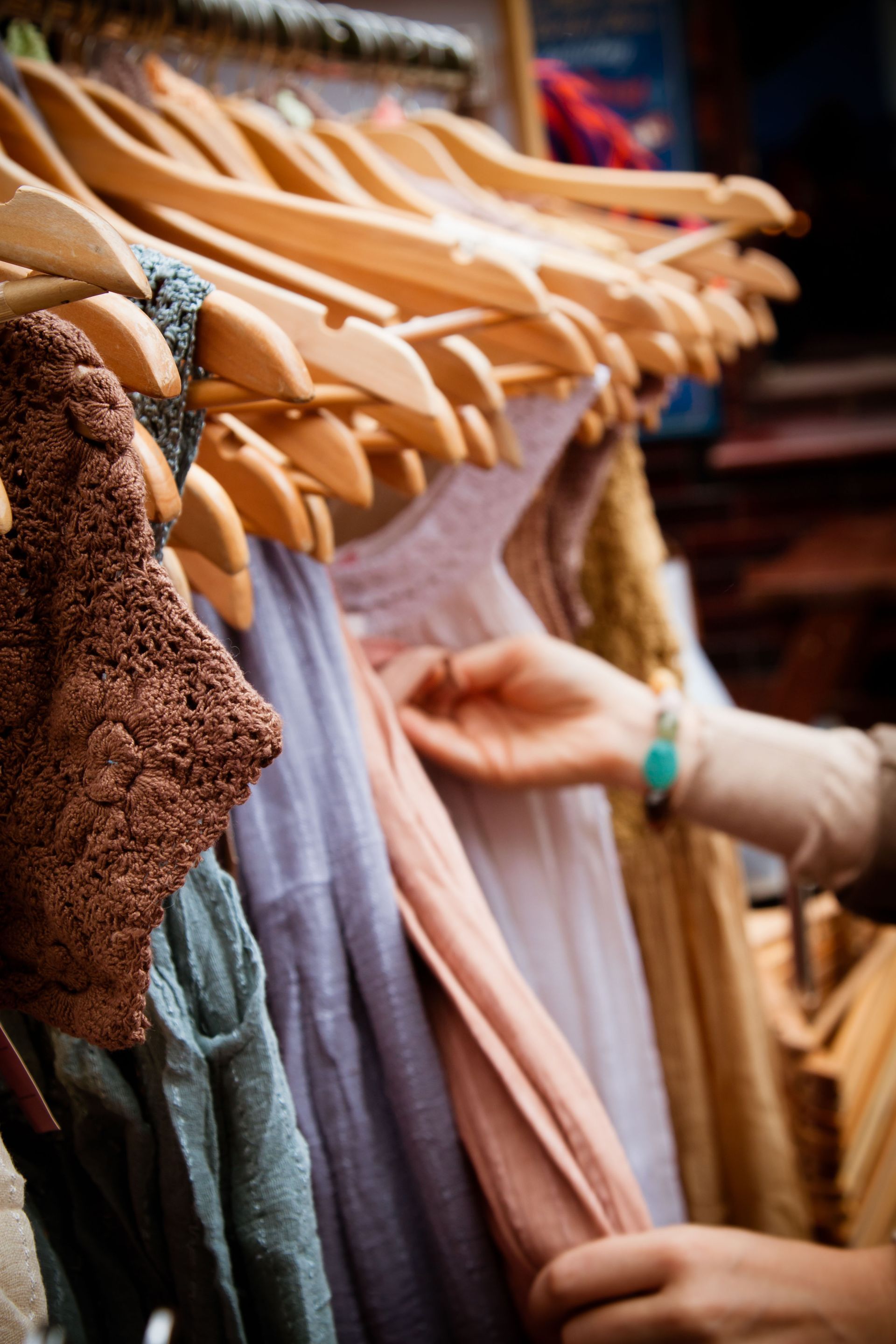
Take a few moments to run the fabric through your hands and look closely at its condition. Watch for thinning areas, excessive pilling, stretched fibers, or fading that may indicate heavy wear. A fabric that still feels strong and maintains its shape is usually a sign that the garment has plenty of life left.
Inspecting the Construction Thoroughly
Quality clothing is built to last, and the construction often tells the story. Look closely at the seams to make sure they are straight, even, and free of loose threads. Well-finished stitching usually means the garment was made with greater attention to detail.
Check zippers, buttons, snaps, and hooks to ensure everything works properly before making a purchase. It's also helpful to inspect hems and cuffs for signs of fraying or uneven repairs. Spending an extra minute examining these details can prevent disappointment after you get home.
Researching the Brand Reputation
While a recognizable label doesn't automatically guarantee quality, reputable brands often use better materials and construction techniques. Before you buy used clothing regularly, it helps to become familiar with brands known for producing durable garments that hold up well over time.
You don't have to focus only on luxury labels, either. Many lesser-known brands consistently produce excellent clothing at affordable prices. According to Capital One Shopping, roughly 93% of people in the United States purchase their secondhand goods online, showing just how popular pre-owned shopping has become. Even if you prefer shopping in person, researching brands ahead of time can help you recognize quality pieces when you find them.
Checking the Garment Condition
Even the highest-quality clothing should be inspected carefully before you decide to take it home. Look beyond the front of the garment by checking under the arms, inside collars, around pockets, and along seams where wear often appears first. These hidden areas can reveal how well the item has been cared for.
Minor issues like a missing button or a loose thread are usually simple fixes, but larger stains, permanent odors, or damaged fabric may not be worth the investment. Taking your time helps you avoid surprises and ensures you're bringing home clothing you'll actually enjoy wearing.
Comparing the Price Wisely
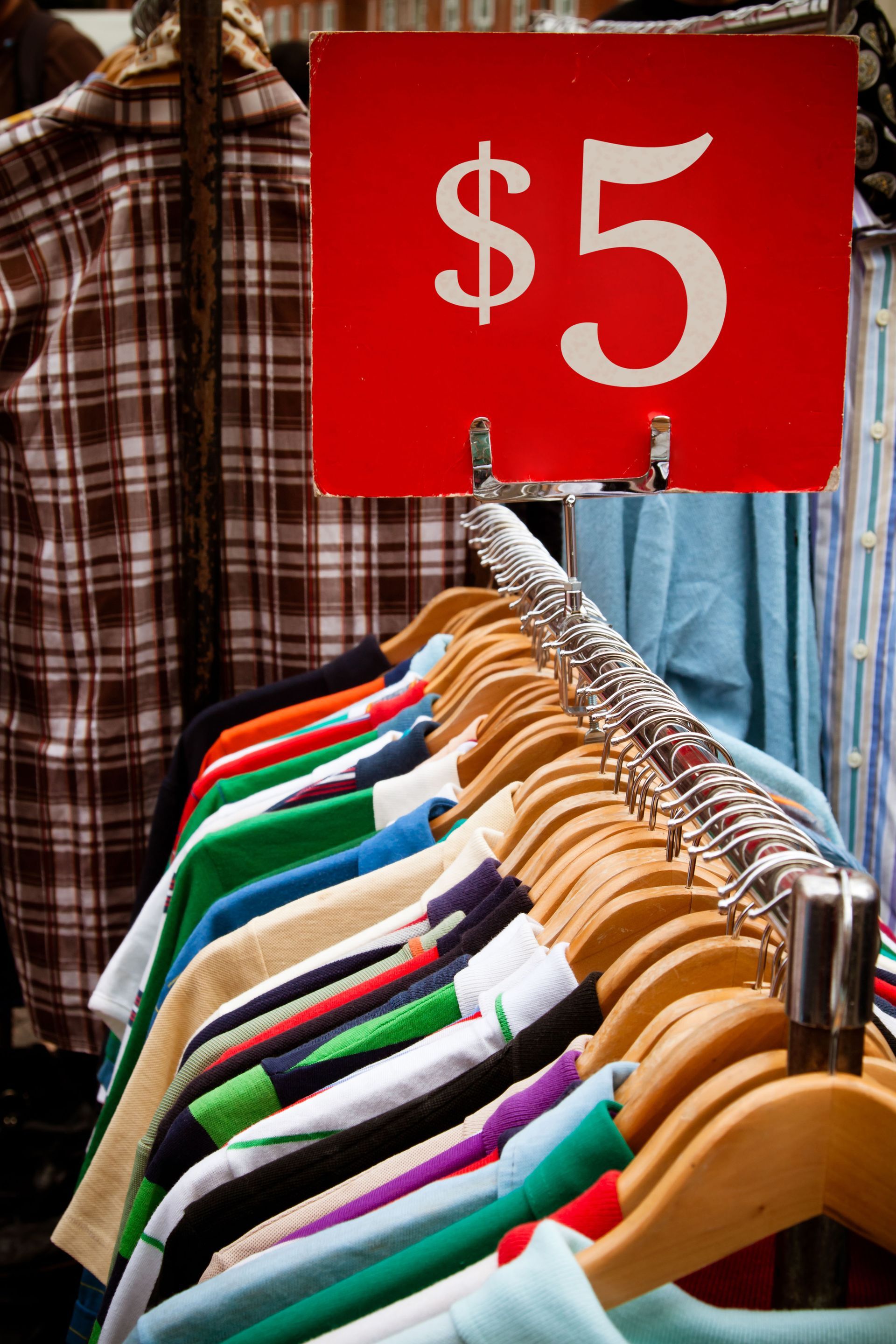
Finding a bargain feels great, but the cheapest option isn't always the best value. Instead of focusing only on price, think about how often you'll realistically wear the item and how long it is likely to last. A slightly more expensive garment made with quality materials often provides far better value than something inexpensive that quickly falls apart.
When you buy used clothing, compare the condition, brand, material, and craftsmanship before making your decision. A classic jacket or pair of jeans that lasts for years usually offers greater savings than replacing lower-quality items repeatedly. Looking at the overall value instead of just the price tag leads to smarter purchases.
Shopping With Patience
One of the biggest secrets to successful secondhand shopping is patience. Unlike traditional retail stores, thrift shops and resale stores constantly rotate inventory, which means every visit offers something different. The perfect piece may not appear during your first trip, but consistency often pays off.
Visit stores regularly, browse every section, and remain open to unexpected finds. Sometimes the best discoveries aren't what you planned to purchase at all. Shopping with a relaxed mindset also makes the experience more enjoyable and reduces the temptation to buy something simply because it's inexpensive.
Building the Wardrobe Intentionally
It's easy to get excited when you discover great deals, but thoughtful shopping produces a wardrobe you'll appreciate much more. Before you buy used clothing, think about how each piece fits with the clothes you already own. Neutral colors, timeless cuts, and versatile basics often provide the greatest long-term value.
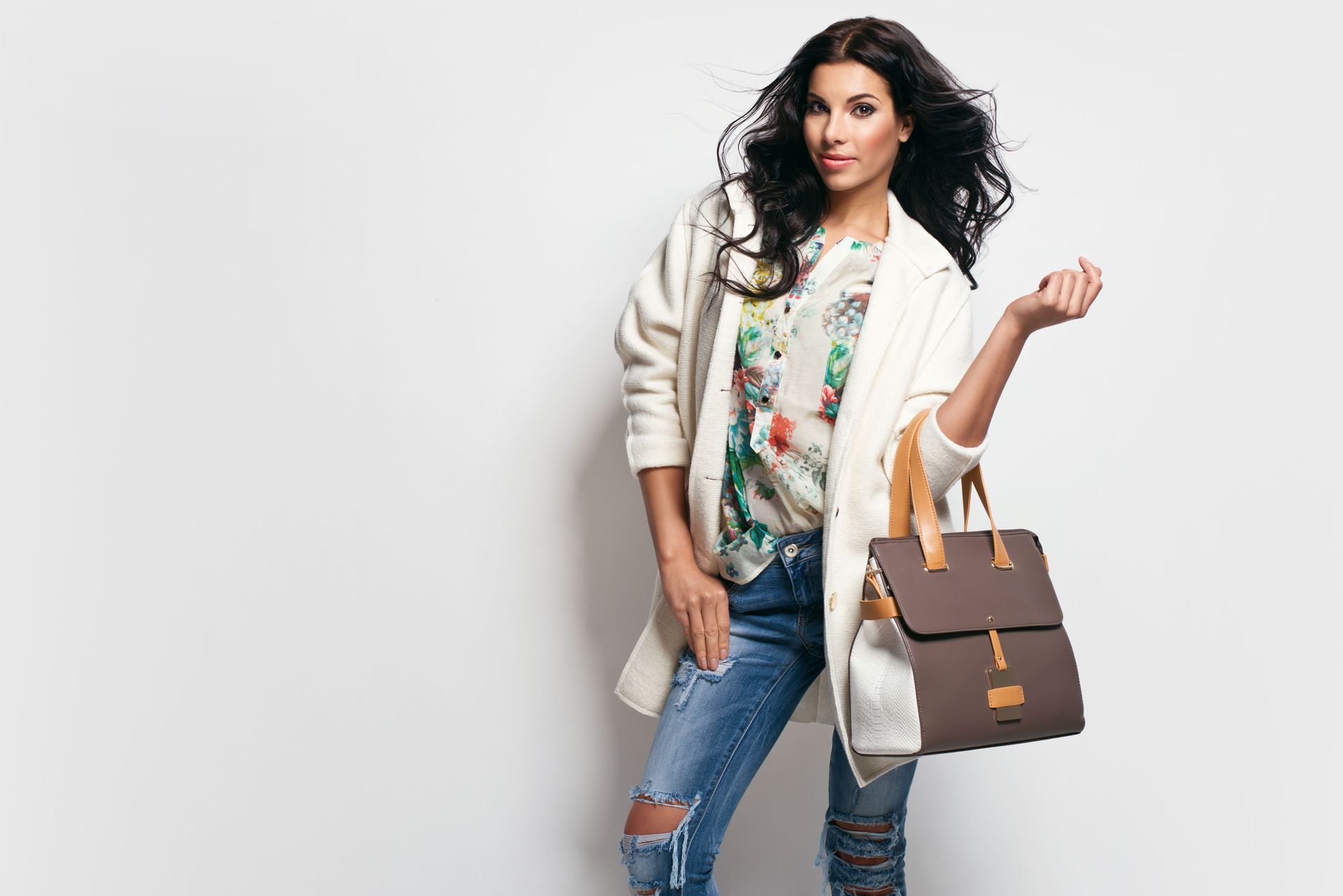
At the same time, don't be afraid to add a few unique statement pieces that reflect your personality. A carefully chosen vintage jacket, colorful scarf, or distinctive handbag can make everyday outfits feel fresh without requiring a complete wardrobe overhaul. The goal is to create a collection of clothing that feels authentic, practical, and enjoyable to wear.
Finding the Best Shopping Locations
Where you shop can make a significant difference in the quality of the clothing you find. Local thrift stores, consignment shops, vintage boutiques, and nonprofit resale stores each offer their own advantages. Exploring a variety of locations gives you a better chance of discovering pieces that match your style and budget.
Consignment stores often carry gently used name-brand clothing because they carefully select the items they accept. Thrift stores can offer incredible bargains if you're willing to spend a little extra time browsing. No matter where you decide to shop, visiting regularly increases your chances of finding fresh inventory before someone else does.
Using the Online Marketplace Effectively
Even if you prefer shopping at local resale stores, online marketplaces can be useful for researching brands, comparing prices, and learning what certain items are worth. Looking up clothing before visiting a store can give you a better understanding of quality, materials, and resale value.
If you use online listings for research, pay attention to detailed descriptions, clear photos, and customer reviews. The more familiar you become with different brands and styles, the easier it is to recognize a great find when you see it in person.
Buying secondhand becomes easier with experience, and every shopping trip teaches you something new about quality, style, and value. As you become more familiar with fabrics, construction, and reputable brands, you'll feel increasingly confident spotting pieces that deserve a place in your closet. The process becomes less about luck and more about recognizing lasting quality.
Choosing to buy used clothing is a practical way to refresh your wardrobe while making thoughtful purchasing decisions. With patience and a little knowledge, you can discover unique pieces that fit your personal style without overspending. Every shopping trip is an opportunity to find high-quality clothing, timeless fashion, and one-of-a-kind items that add personality to your wardrobe while supporting more sustainable shopping habits. As you become more confident in recognizing quality fabrics and craftsmanship, you'll enjoy the experience even more and make purchases you'll appreciate for years to come. Visit Daisy Exchange to browse a wide selection of quality secondhand fashion and find your next favorite outfit in person.

Share On: