
How Thrift Stores Make Fashion More Affordable
Fashion allows people to express their personalities, adapt to changing trends, and build confidence through clothing that reflects their individual style. At the same time, rising retail prices can make updating a wardrobe feel challenging, especially for shoppers who want quality garments without stretching their budgets. Finding dependable ways to balance style and affordability has become increasingly important for consumers seeking lasting value.
One option that continues to attract shoppers is thrift stores. These retail destinations offer access to gently used clothing, footwear, and accessories that combine quality with attractive pricing. According to Capital One Shopping, used garments make up roughly 15.3% of the entire American clothing sector, highlighting the growing role of secondhand fashion in everyday shopping decisions.
Beyond lower prices, shopping secondhand encourages thoughtful purchasing, broadens style possibilities, and gives garments a longer lifespan. Instead of focusing on fast-changing trends, many shoppers take a more intentional approach by selecting versatile pieces that complement their existing wardrobes and suit their personal preferences. This mindset often leads to purchases that provide lasting value and greater satisfaction over time.
Discovering Greater Wardrobe Variety
Shopping at thrift stores often introduces customers to clothing selections that differ from those found in traditional retail environments. Because inventory changes regularly, shoppers frequently encounter unique styles, timeless classics, and quality pieces that may no longer be available through standard retailers. This constantly evolving selection creates opportunities to build a wardrobe with distinctive character rather than relying solely on mass-produced fashions.
Another appealing aspect is the opportunity to explore different brands, fabrics, and design aesthetics within a single shopping experience. Instead of being limited to seasonal collections, customers can browse garments representing a wide range of fashion influences. This diversity allows shoppers to discover pieces that complement their personal style while staying within a comfortable budget.
The variety available also encourages thoughtful purchasing decisions. Rather than feeling pressured by rapidly changing retail trends, shoppers can focus on selecting clothing that fits well, feels comfortable, and aligns with their long-term wardrobe goals.
Enjoying Better Everyday Value
Affordability remains one of the strongest reasons people choose thrift stores. Lower prices allow shoppers to purchase quality clothing while managing household expenses more effectively. Whether updating seasonal wardrobes, replacing everyday essentials, or searching for special occasion attire, secondhand shopping makes fashionable choices more accessible.
Saving money on clothing can also create greater financial flexibility for other priorities. Families, students, professionals, and retirees alike often appreciate opportunities to stretch their budgets without sacrificing quality or style. The ability to purchase durable garments at reduced prices helps shoppers maximize the value of every purchase.
Many secondhand items are made with materials and construction methods that continue to perform well after years of use. When carefully selected, these garments can provide lasting comfort and dependable wear, making them practical additions to any wardrobe. This combination of affordability and durability contributes to a satisfying shopping experience that benefits consumers over time.
Supporting More Sustainable Fashion Choices
Choosing thrift stores supports a more sustainable approach to fashion by extending the useful life of existing clothing. Instead of allowing garments to remain unused, resale gives them another opportunity to be worn and appreciated. This simple shift encourages responsible consumption while reducing unnecessary waste.
The fashion industry continually produces new clothing to meet consumer demand. By purchasing secondhand items, shoppers help maximize the value of garments that have already been manufactured. Extending product life promotes a more thoughtful shopping cycle that emphasizes reuse rather than constant replacement.
Sustainability also encourages greater appreciation for craftsmanship and quality. Many shoppers discover garments that continue to look and perform well despite previous ownership. This reinforces the idea that well-made clothing can provide long-term value when properly cared for, making secondhand shopping both practical and environmentally conscious.
Finding Quality Without Sacrificing Style
Many shoppers are pleasantly surprised by the quality available through thrift stores. Clothing from respected brands, premium fabrics, and timeless designs often become available at prices significantly lower than comparable new merchandise. This allows consumers to enjoy stylish wardrobes without exceeding their financial comfort zones.
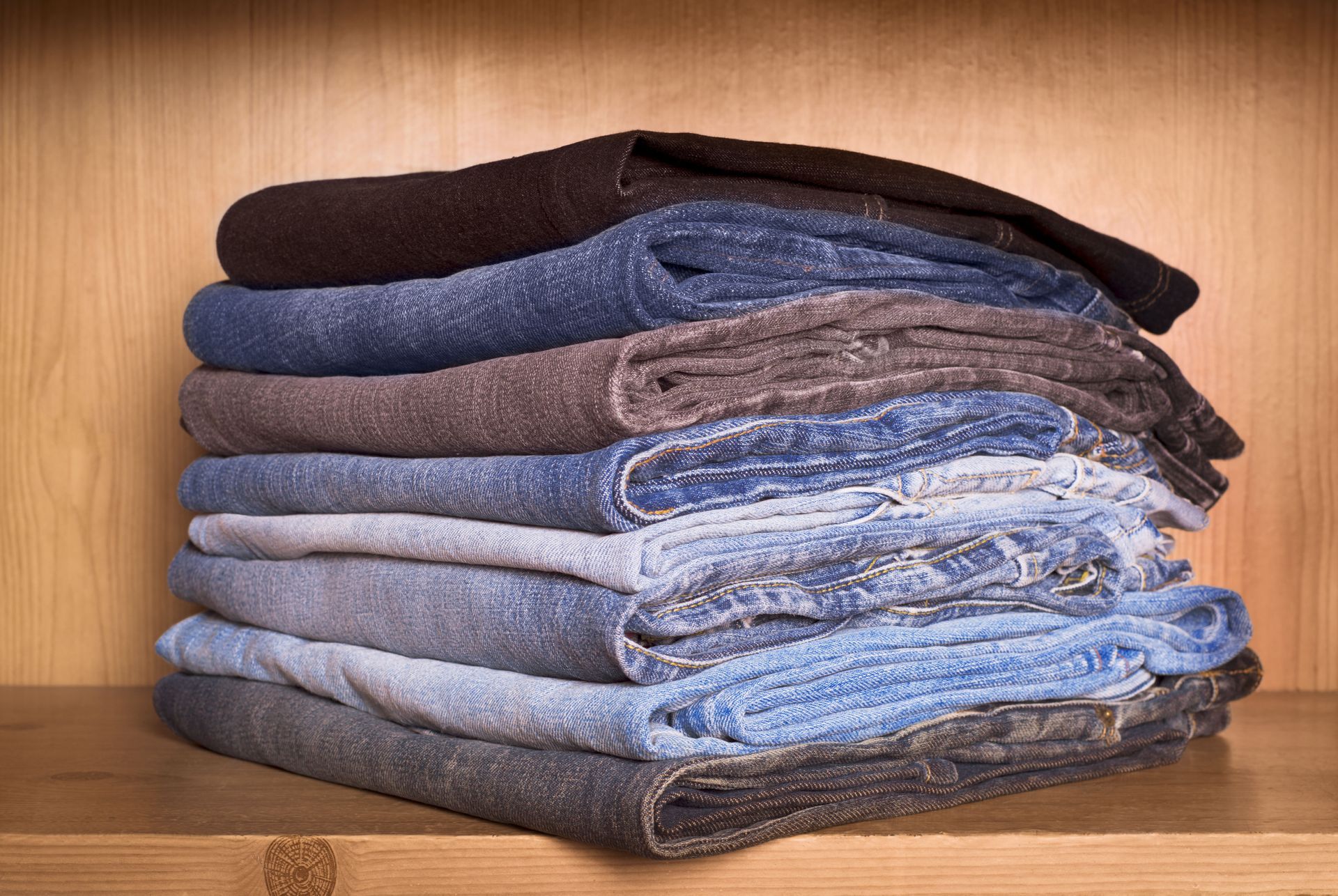
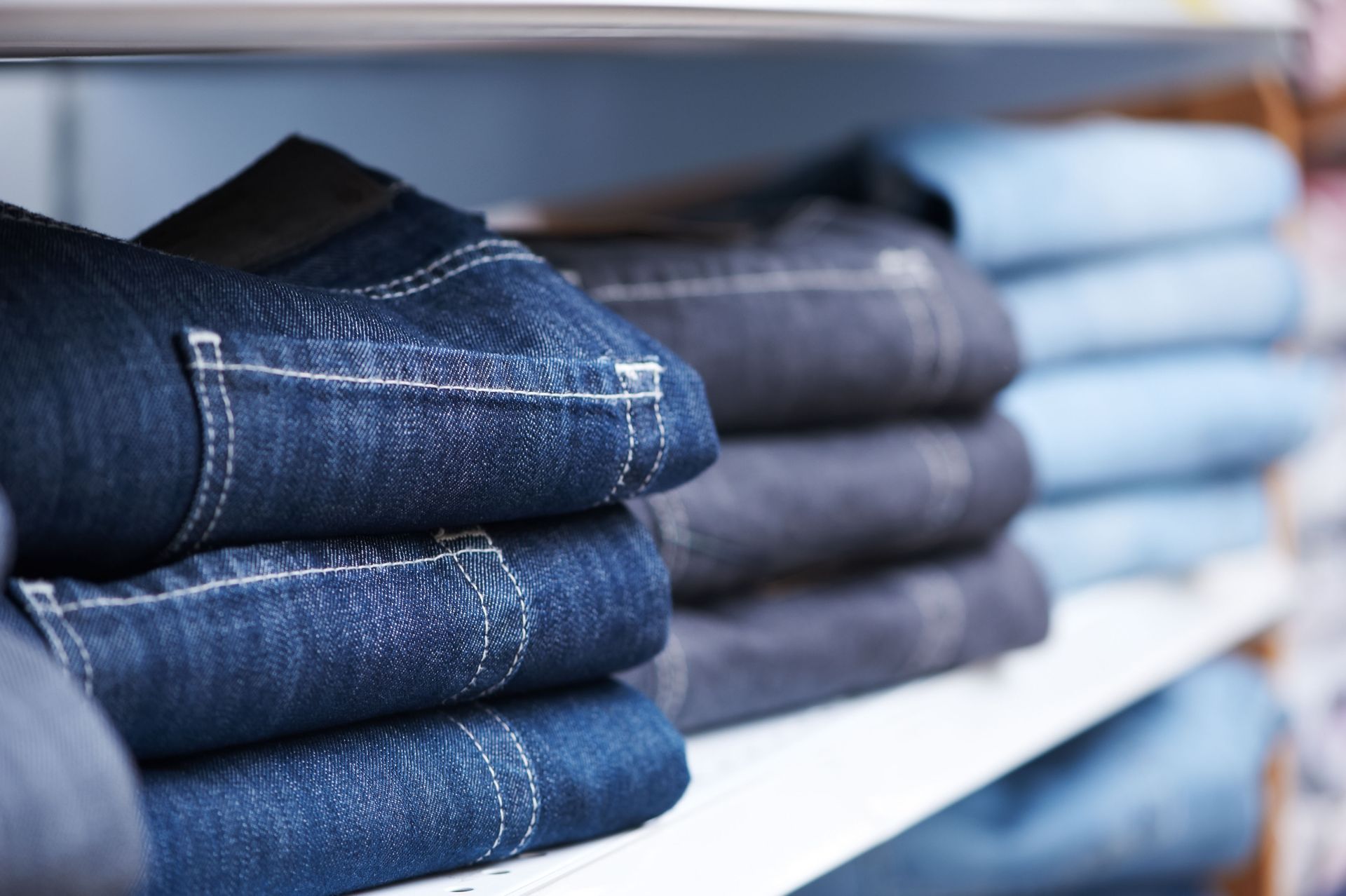
Classic styles tend to remain fashionable regardless of changing trends. Blazers, denim, sweaters, dresses, coats, and accessories with enduring appeal can often become wardrobe staples that remain useful for years. Investing in versatile pieces encourages more intentional shopping while reducing the desire for frequent replacements.
Quality shopping also involves evaluating garment condition, fabric integrity, and overall craftsmanship. Retailers specializing in secondhand apparel frequently organize merchandise to help shoppers browse efficiently, making it easier to identify clothing that combines attractive appearance with dependable wearability.
Encouraging More Creative Personal Style
Fashion is deeply personal, and thrift stores provide opportunities to create wardrobes that feel authentic rather than predictable. Since inventory changes frequently, shoppers often encounter distinctive patterns, textures, colors, and silhouettes that inspire creative outfit combinations.
Rather than following identical retail collections, secondhand shopping encourages individuals to mix classic pieces with contemporary fashion influences. This approach helps develop personal style while avoiding repetitive wardrobe choices commonly found in traditional shopping environments.
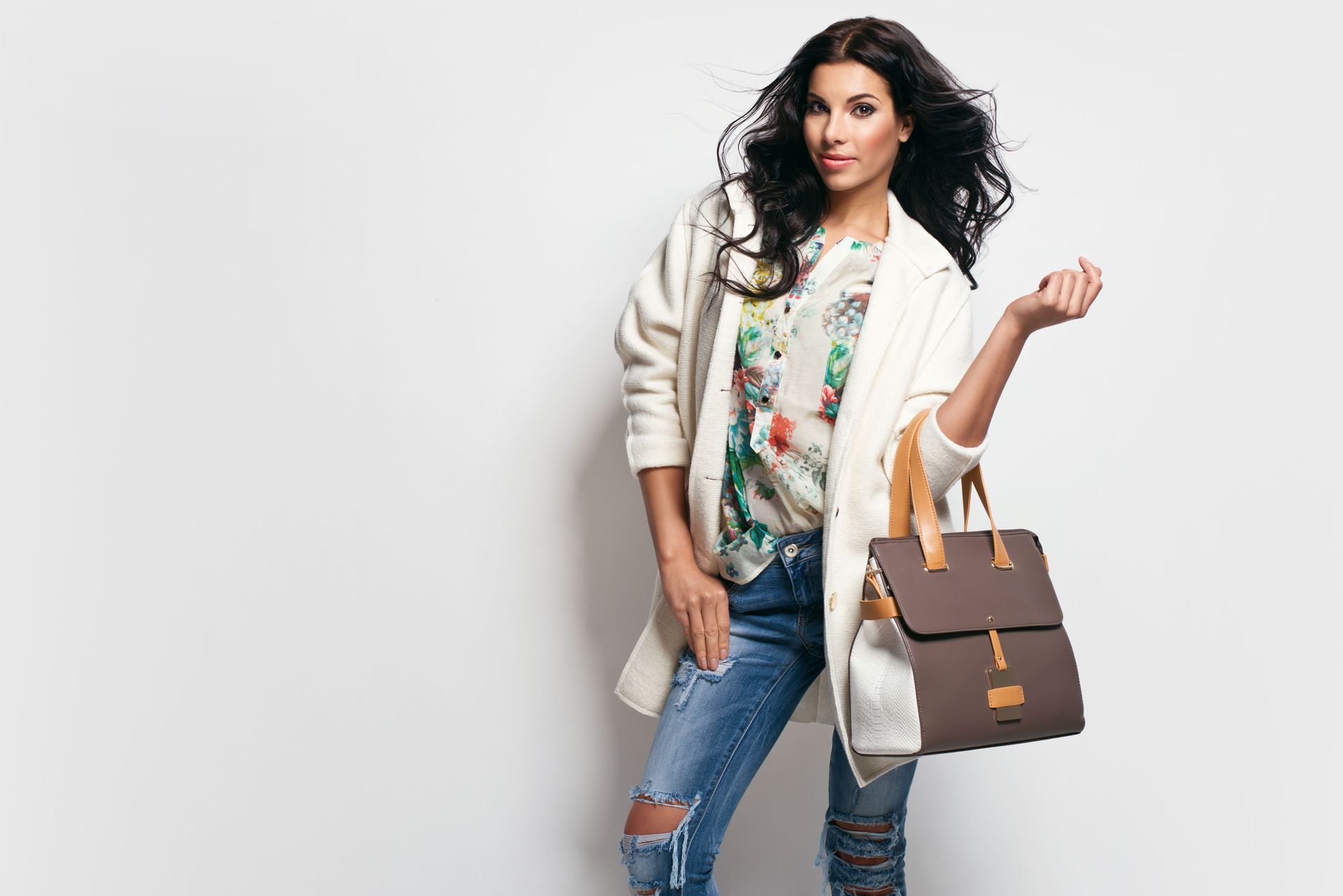
Creative styling also promotes confidence. Wearing clothing that reflects individual preferences rather than temporary trends allows people to express themselves naturally. Whether someone prefers understated elegance, vintage inspiration, casual comfort, or bold statement pieces, secondhand shopping offers a broad selection capable of supporting many fashion preferences.
Building Smarter Long-Term Shopping Habits
Choosing thrift stores can encourage more mindful purchasing habits that extend beyond immediate savings. Instead of making impulsive decisions based solely on promotional events or rapidly changing trends, shoppers often spend more time evaluating quality, versatility, and long-term usefulness before making purchases.
Thoughtful shopping naturally supports wardrobe planning. Selecting garments that coordinate with existing clothing helps maximize outfit possibilities while minimizing unnecessary purchases. Over time, this intentional approach creates wardrobes that are both functional and adaptable for changing needs.
Mindful shopping also encourages appreciation for clothing as a lasting investment rather than a disposable product. Focusing on quality, comfort, and personal style helps consumers make purchasing decisions that continue providing value long after leaving the store. This perspective supports responsible spending while reducing unnecessary wardrobe turnover.
Embracing Affordable Fashion With Confidence
Fashion does not have to come with an overwhelming price tag to feel stylish, practical, and rewarding. Secondhand shopping demonstrates that affordability and quality can work together while supporting thoughtful purchasing decisions. From discovering distinctive garments to extending clothing lifespans and encouraging sustainable habits, resale shopping offers meaningful advantages for a wide range of consumers.
As more shoppers seek value without compromising style, thrift stores continue to provide practical solutions that meet evolving fashion needs. Their ever-changing selections, budget-friendly pricing, and emphasis on reuse make them an appealing choice for anyone looking to build a versatile wardrobe with confidence. Instead of feeling limited by rising retail costs or seasonal collections, shoppers can explore a wide range of clothing that offers both quality and individuality. This combination of affordability, variety, and long-term value makes secondhand shopping a smart option for consumers who want their purchases to reflect both their personal style and their financial priorities. By embracing resale fashion, shoppers can enjoy a rewarding shopping experience that balances creativity, practicality, and responsible spending.
If you are ready to discover stylish clothing while making thoughtful purchasing decisions, contact us at Daisy Exchange to learn how thrift stores can help you enjoy fashionable, affordable wardrobe options that fit your lifestyle.

Share On: